Tɛkyerɛma Pa (Good Tongue) Hackathon 2025
A challenge to design and develop innovative applications using Automatic Speech Recognition (ASR) or Text-to-Speech (TTS) technologies, to facilitate communication in Ghanaian languages for individuals with speech impairment.
- Date
- May 30, 2025
- Time
- 10:00am – 1:30pm
- Venue
- The Great Hall, University of Ghana, Legon
Delivered in partnership between the University of Ghana and University College London, as part of AT2030, a programme funded by UK Aid and led by the Global Disability Innovation Hub. A curated Akandataset supported every team’s project.
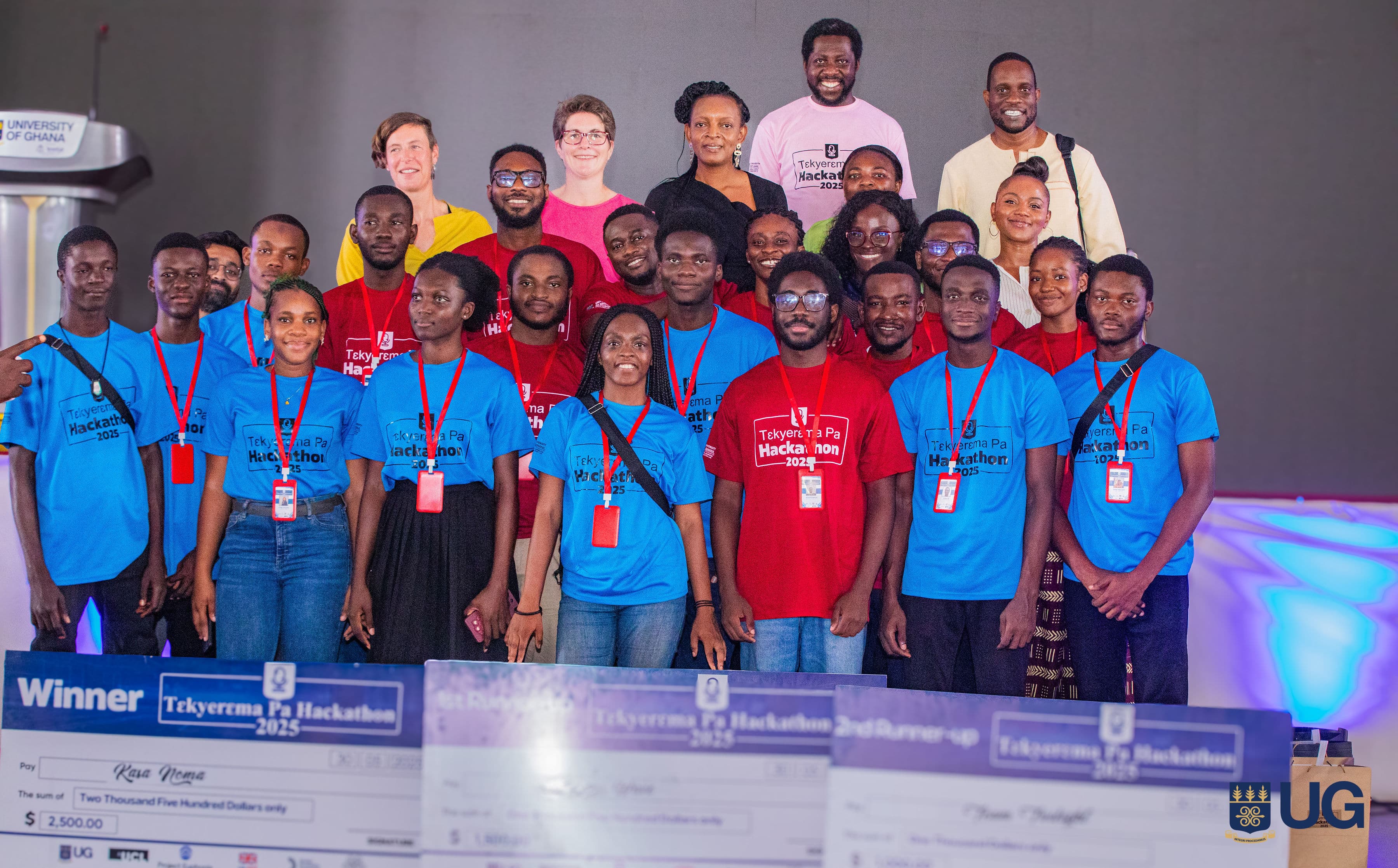
Prize Pool
- 1st place$2,500
- 2nd place$1,500
- 3rd place$1,000
- $5,000
- TOTAL PRIZE POOL
- 5
- FINALIST TEAMS
- 12
- MENTORS
- 10
- SPONSORS
About the Hackathon
This project is part of AT2030, a programme funded by UK Aid and led by the Global Disability Innovation Hub. It seeks to bridge the communication gap for individuals with speech impairment through the development of technological solutions that leverage automatic speech recognition (ASR) or Text-to-Speech (TTS).
The Tɛkyerɛma Pa (good tongue) Hackathon 2025 invited all university students and technology advocates to participate in creating innovative solutions that make a significant impact on individuals with speech impairments in Ghana and beyond.
Participants were given the opportunity to bridge the communication gap for individuals with speech disabilities by developing technological solutions leveraging ASR or TTS tailored for Ghanaian languages. By focusing on these areas, the hackathon aimed to create accessible tools that empower individuals to communicate more effectively in their native language, breaking down barriers to inclusion.
The Tɛkyerɛma Pa hackathon is a collaboration between University College London and the University of Ghana, delivered at UG, Accra, Ghana in May 2025. A curated dataset of a selected Ghanaian language, Akan, was made available to participants to support their projects.
Timelines
- April 7–15, 2025
Awareness campaign and team outreach
This phase focused on promoting the hackathon, answering questions, and helping selected teams refine their pitched ideas.
- April 21–30, 2025
Online bootcamp and dataset introduction
The bootcamp introduced participants to the dataset, tools, and key skills needed for the hackathon. Teams were then screened on May 1st, and successful candidates moved on to the next stage.
- May 1–23, 2025
Ideation sprint with mentor reviews
Teams brainstormed solutions, developed initial concepts, and received feedback from mentors. The top five finalists were selected at the end of this phase.
- May 26–29, 2025
In-person mentoring sessions
Finalists arrived at the University of Ghana from May 25th. In-person mentoring sessions ran from May 26th to May 29th, ahead of the grand finale.
- May 30, 2025
Hackathon event (Grand Finale)
The top five finalists showcased their solutions and competed for the winning spots. Winners were announced and awards presented at The Great Hall, University of Ghana.
- June 1 onwards, 2025
Post-event feedback and follow-up
Reflection with teams, mentors, and partners on outcomes and next steps for the solutions built during the edition.
Finalist Teams
The five teams selected from the ideation sprint, who presented their solutions at the grand finale on 30 May 2025.
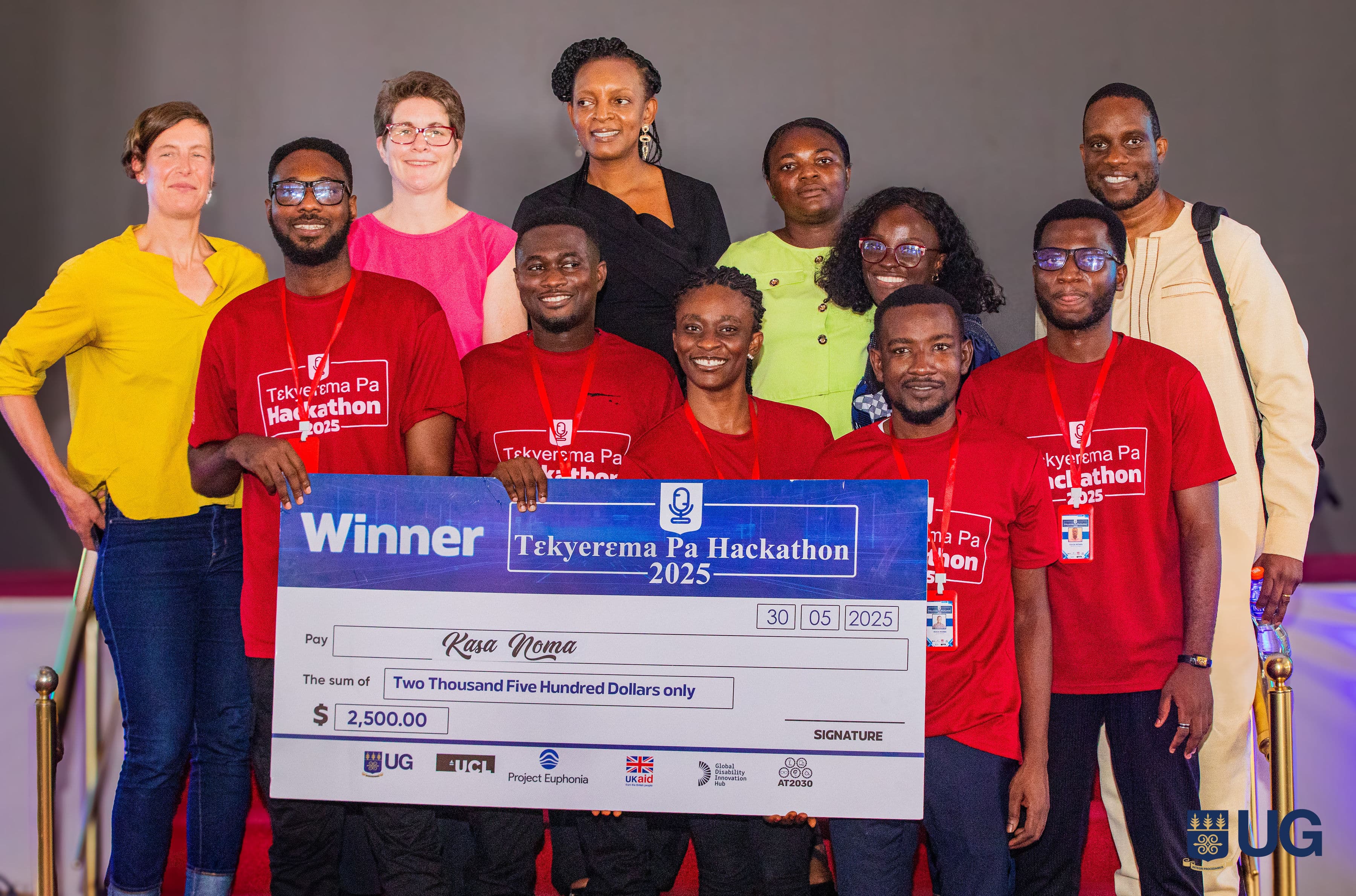 1st place
Kasa Noma
ASR Assistant for Speech-Impaired Individuals
Kasa Noma created an ASR assistant for speech-impaired individuals. It functions like a personal messaging assistant that can be integrated into social apps like Telegram, allowing users to speak and receive corrected text transcripts, enhanced audio, or translated speech that can be shared seamlessly.
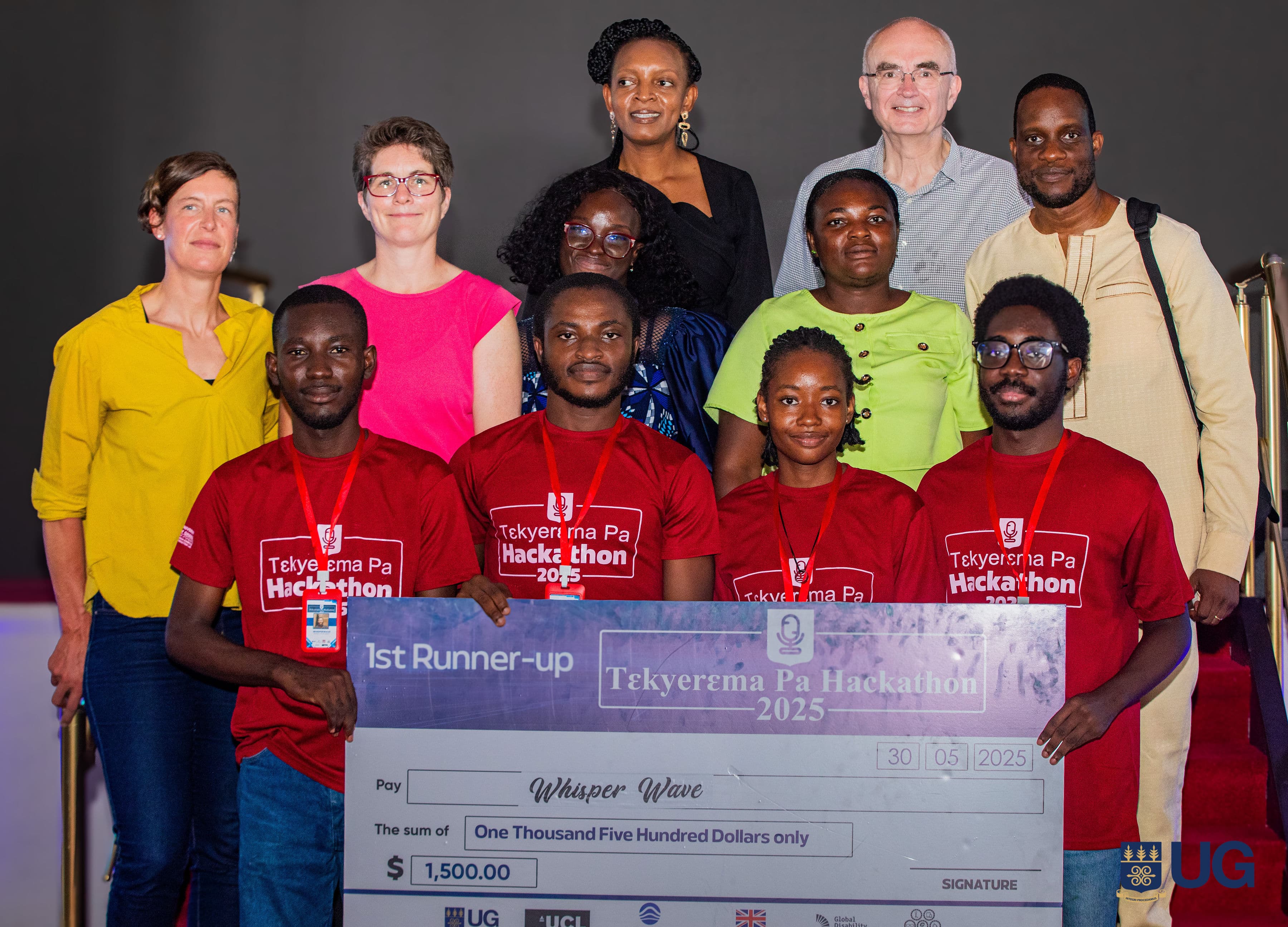 2nd place
WhisperWave
Interactive 3D Speech Therapy App
WhisperWave built an interactive 3D speech therapy app for children with speech impairments. It uses a Twi-trained AI model, voice recognition, and a friendly avatar to guide kids through oral motor exercises, flashcards, and conversation practice, making therapy fun, local, and accessible.
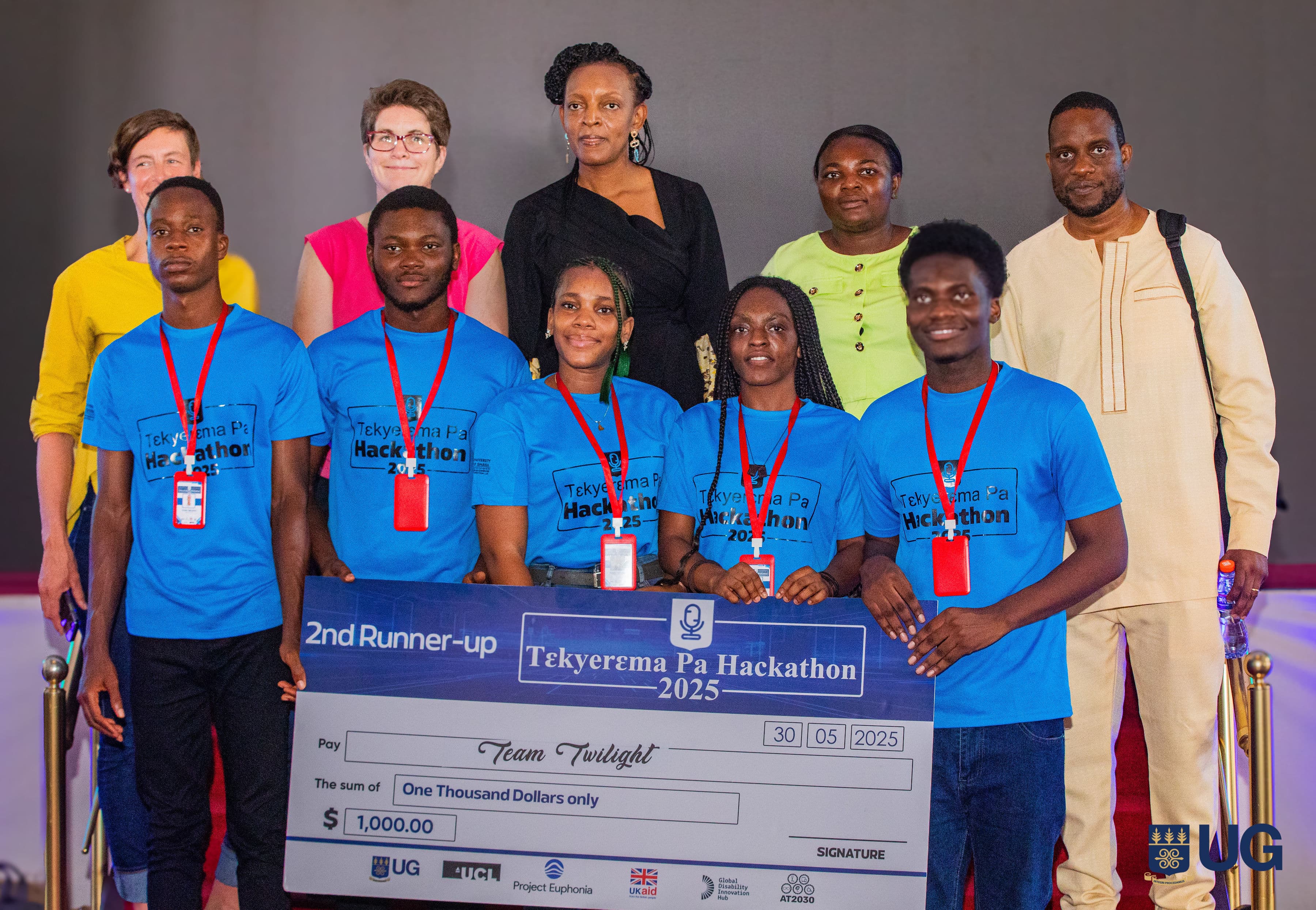 3rd place
Twilight
ASR Assistant
Twilight built an AI-powered ASR platform tailored for Twi-speaking users with speech impairment. It transcribes impaired speech into readable text, enabling real-time communication in clinical and everyday settings, with built-in therapy tools to support long-term speech improvement.
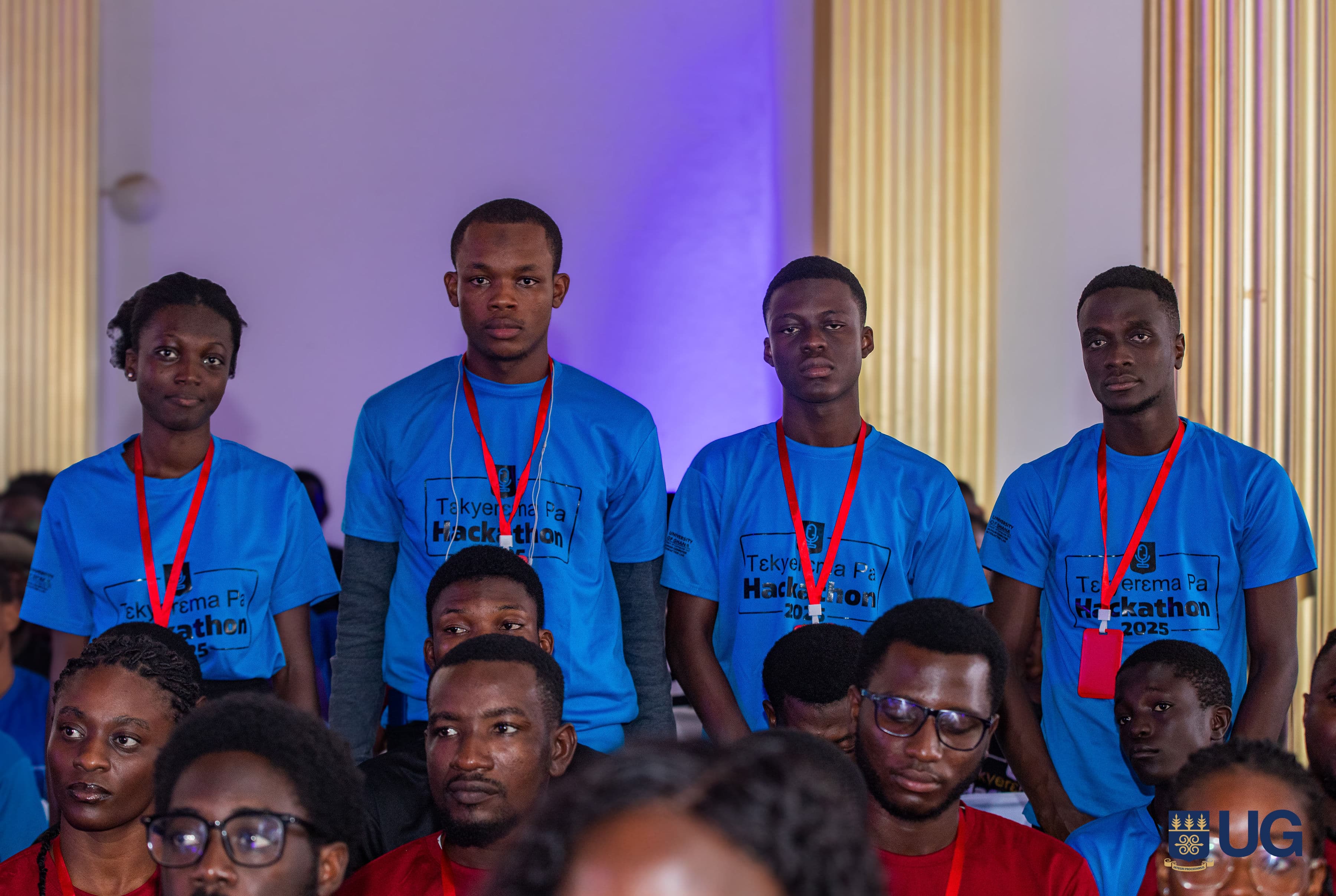
Kasayie
ASR Mobile Application
Kasayie is a mobile application with a minimalistic interface inspired by co-design. It uses a fine-tuned ASR model to transcribe impaired Twi speech into standard Twi text. With latency reduction in mind, its backend system ensures smooth transcription with minimal latency.
- Finale photo to come
Team Yada
ASR Mobile Application
Yada built an AI-powered mobile app that helps individuals with speech impairments in Ghana communicate using local languages like Akan. It features speech-to-text, text-to-speech, and adaptive interfaces, enabling inclusive, culturally relevant, and accessible communication across daily life.
Mentors
Teams were supported across five tracks, from speech technology and inclusive design to clinical practice, Ghanaian linguistics, and taking a solution to market.
Technical
AI, ASR, NLP, app development
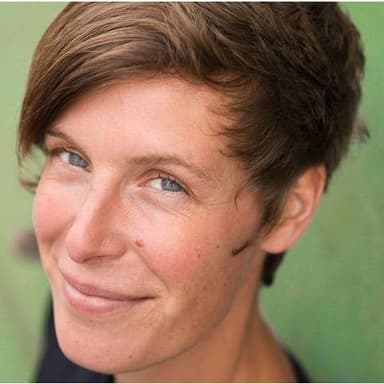
Dr. Katrin Tomanek
AI Research Engineer
Specialising in Natural Language Processing, Machine Translation, and Speech Recognition. PhD in Computer Science from TU Dortmund, Germany. Former Google Research lead for ASR in Project Euphonia, now AI Tech Lead at GDI Hub's Centre for Digital Language Inclusion, working to ensure digital language technology serves everyone, regardless of speech patterns.
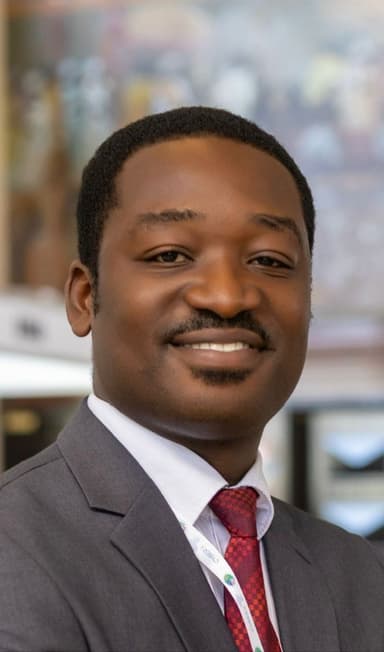
Dr. Emmanuel Ahene
AI and Cybersecurity Researcher
A Computer Science lecturer and Co-Founder of Cyberpass Consult, with expertise in cybersecurity and machine learning. He leads research in Secure AI, focusing on healthcare, education, and cyber-attack detection. He has published over 20 articles, supervised numerous students, and received the 2023 KNUST Vice Chancellor's Award for Innovation. As PI of the SignTalk project, he is developing a secure AI model to support doctor-patient communication for the hearing-impaired.
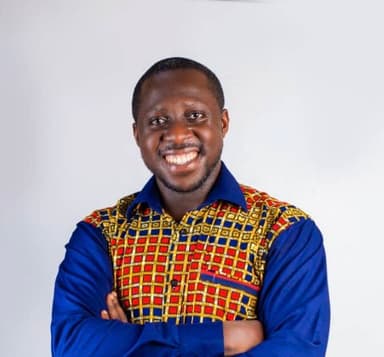
Mark Atta Mensah
AI Researcher
A Lecturer and AI researcher at the University of Ghana, specialising in ASR, NLP, and Generative AI for low-resource languages. An experienced hackathon coach (Hack4Dev 2025) and EU consultant (STATS4AFRICA Residency, 2024), he mentors teams on developing inclusive, innovative, and scalable AI solutions for real-world social impact.
Accessibility
UX/UI, inclusive design, user testing
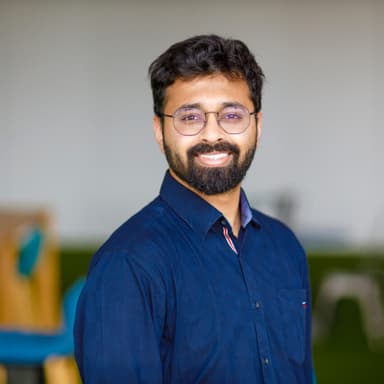
Dr. Tigmanshu Bhatnagar
UX/UI, Inclusive Designer
A lecturer in Computer Science at UCL and a research fellow at the Global Disability Innovation Hub. With over a decade of experience, he designs assistive technologies to improve the lives of people with disabilities. He co-led India's Attvaran start-up accelerator, supporting 20 assistive tech ventures, and co-invented a patented soft pneumatic exoskeleton. His PhD project Tacilia won the Innovation of the Year 2023 award.

Preetham Nagaraj
UX/UI Designer
Currently pursuing a PhD at UCL under the supervision of Prof. Catherine Holloway. He holds a double master's degree, an MSc in Computer Science from the University of Illinois at Chicago and an MSc in Human-Computer Interaction from UCL. Before starting his PhD, Preetham worked as a UX designer for over a decade across the US, the UK, and India, in fields such as robotics, biotechnology, and advertising.
Speech and Language Therapy
Expertise in speech therapy and user needs
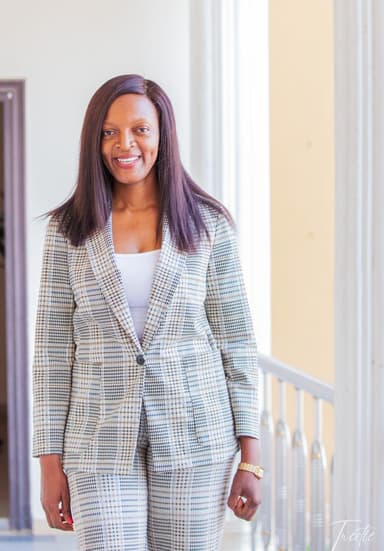
Gifty Ayoka
Speech and Language Therapist
A Speech and Language Therapist and Assistant Lecturer at the University of Health and Allied Sciences (UHAS). She is dedicated to improving communication for children and adults, with a focus on inclusion, disability rights, and accessibility. Gifty co-authored a study on automated speech recognition in Ghana and is part of a research team collecting voice data from individuals with speech impairments to support inclusive AI technologies in local languages.
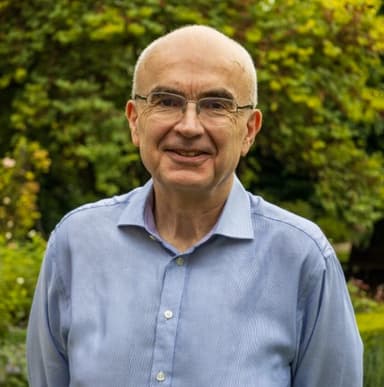
Dr. Richard Cave
Speech and Language Therapist
Co-Director of the Centre for Digital Language Inclusion at UCL's Global Disability Innovation Hub. He specialises in speech recognition for 'non-standard' speech and has clinical experience with individuals affected by speech changes. He also advised the Royal College of Speech and Language Therapists and consulted for Google Research on related technologies from 2019 to 2024.
Cultural
Ghanaian linguistic and contextual adaptation
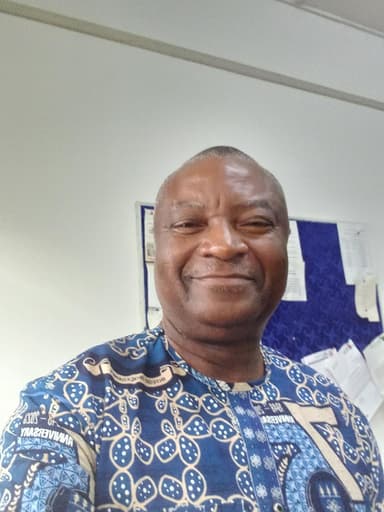
Dr. George Akanlig-Pare
Professor of Linguistics
An Associate Professor of Linguistics at the University of Ghana, where he teaches Phonetics, Phonology, Morpho-syntax, Sign Language Linguistics, Sociophonetics, and Forensic Linguistics. A recipient of the 2011 Best Teacher Award (Humanities), he chairs the department's Graduate Studies. He has supervised 11 PhD and 40 Master's theses, and has published extensively in peer-reviewed journals.
Business
Scaling solutions, impact assessment, and market viability
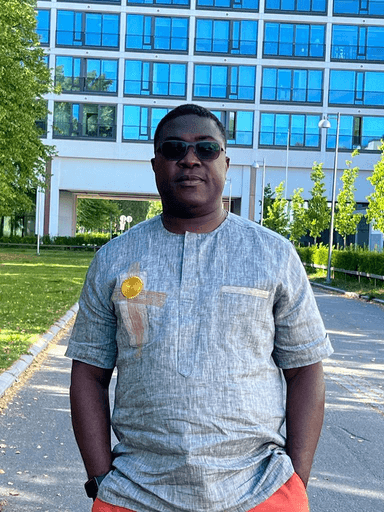
Dr. Nana Assyne
Software Engineer and Software Startup Engineer
A technology enthusiast with a background in Software Engineering and Software Startup Engineering, deeply interested in innovative problem-solving, collaborative development, and building scalable tech solutions. Nana focuses on scaling solutions, impact assessment, and market viability, ensuring that every project he contributes to is both sustainable and user-centered.

Bhanu Prasad
Entrepreneur
Head of Innovation and Entrepreneurship Ecosystems at Digital Impact Square (a TCS Foundation Social Incubator). As an impact innovation coach, he guides startups from concept to scale, encouraging rapid iteration and failing forward as a means of progress. Bhanu has degrees in Management from Harvard and Social Policy from Oxford, and is a British Government Chevening Fellow.
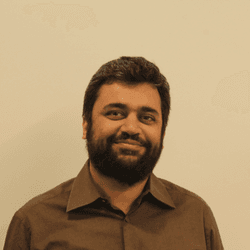
Sameer Rawal
Innovation Coach
An impact innovation coach and start-up mentor at Digital Impact Square (a TCS Foundation incubation program). He brings more than 20 years of experience in technology-led consulting and has worked with multiple social start-ups in the Assistive Technology space, helping them convert ideas into products. He is also a technology and innovation evangelist in the disabilities sector in India.
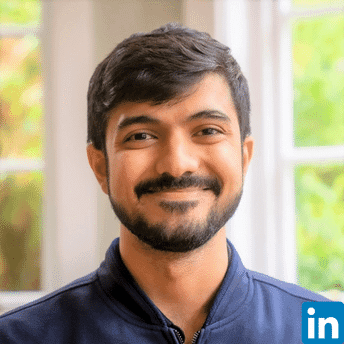
Bonny Dave
Engineer and Entrepreneur
Co-founder of Trestle Labs, a first-generation engineer and entrepreneur who has spent the last 8 years using technology to break barriers. With Kibo, he has made education and employment more inclusive by bridging gaps in language, literacy, and print disabilities, transforming handwritten, printed, and multilingual content into accessible formats.
Hackathon Materials
The decks shared with participants during the 2025 edition, free to download and reuse.
Any Questions? Answered
The questions participants asked most often during the 2025 edition.
Who is a speech impaired person?
A speech-impaired person is someone who experiences difficulty in producing spoken language or communicating verbally due to a condition or disorder affecting their speech. The conditions include stuttering/stammering, cleft palate, Down syndrome, cerebral palsy, and others.
Why take part in the hackathon?
This hackathon presents a unique opportunity to develop real-world solutions to real-world problems, making a meaningful impact on the lives of millions of individuals with speech impairments.
Who can participate in the hackathon?
We highly encourage diverse teams to apply. Each team can have up to five members, including at least one female and, preferably, one individual with speech impairment. If your team does not have a member with a speech impairment, it can have up to four members, and we will assign an individual with a speech impairment to your team.
Whom should we contact in case of queries?
You can contact speechdata@ug.edu.gh or visit the HCI Lab, Department of Computer Science, University of Ghana, Legon.
What if my team doesn't include a member with a speech impairment?
If your team doesn't have a member with a speech impairment, it can have up to four members. In that case, we will assign an individual with a speech impairment to your team.
When are we expected to arrive at the University of Ghana in Accra?
If your team is among the top five finalists, you are expected to be at the University of Ghana from May 25th to May 31st, 2025. All activities before May 25th are conducted virtually.
How will I know if my team has been selected?
Selection is conducted in stages. The first batch of successful applicants (teams) was notified by April 5th and the second batch by April 12th, 2025.
Sponsors
- HCI Lab
- University of Ghana
- Global Disability Innovation Hub
- AT2030
- UK Aid
- Centre for Digital Language Inclusion
- Project Euphonia

The Centre for Digital Language Inclusion is led by the Global Disability Innovation Hub in partnership with UCL and the University of Ghana, funded by UK Aid’s AT2030 programme, alongside support from google.org.
Edition Gallery
122 photos from the 2025 edition. Select any photo to view it full size.